LAB & RESEARCH · 01

From testable questions to measurable evidence.

I use chemistry to study how composition and structure shape behavior: metal uptake in crops, gas separation in porous materials, and the growth of silicon-carbide nanowires.

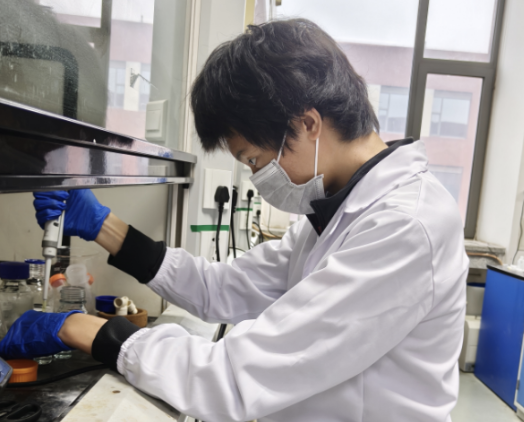
Daniel pipetting samples in the lab

01

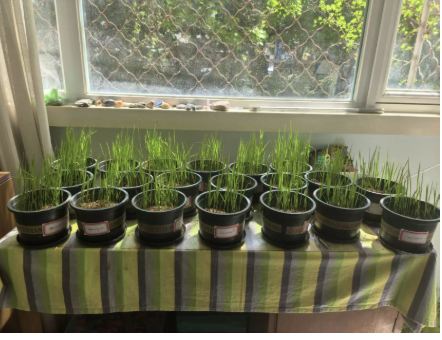
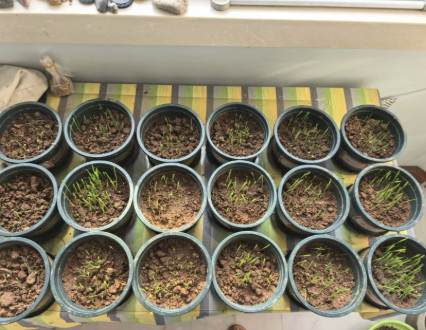
Zinc & Cadmium in Soil

Can adding zinc reduce wheat's uptake of cadmium?

In contaminated soil I set four zinc levels — 0, 25, 75, 150 mg/kg — and measured available cadmium and zinc, wheat survival, metal uptake, and root-to-shoot transfer.

METHODS & EVIDENCE

Four zinc gradients · two years in the lab · 15-page research paper

My role: Set up treatments, measured indicators, compared results, and wrote the paper.

Status & limits: Conclusions apply only to the tested conditions; original paper files not yet provided.
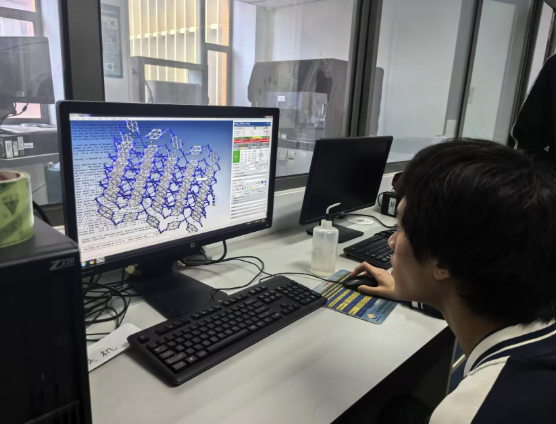
Daniel examining a MOF molecular-structure model

02

Zn-MOF Gas Separation

How does a porous material's structure shape separation performance and stability?

I took part in ligand design and framework construction, studying how pore structure affects CO₂/CH₄ separation — and interpreting the limits of material performance with care.

METHODS & EVIDENCE

~1000 m²/g porosity · 2.2× CO₂/CH₄ selectivity · 20-page paper

My role: Contributed to ligand design, framework construction, and structure–performance analysis.

Status & limits: Conclusions apply only to the tested conditions; original paper files not yet provided.
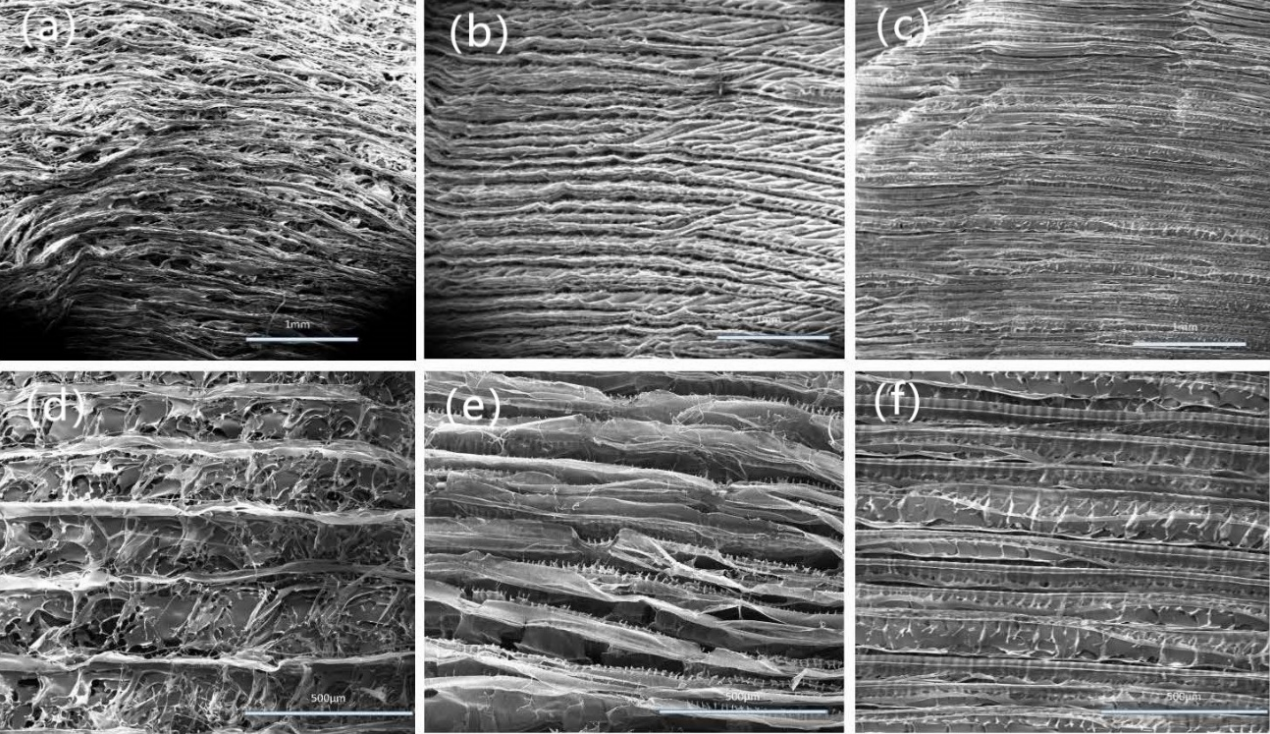
SEM micrographs showing layered nanowire growth morphology at different magnifications

03

SiC Nanowire Growth

How do catalysts, ratios, and temperature change nanowire growth?

In the Yingcai Program, I adjusted catalysts, reactant ratios, and temperature, and used SEM to observe growth morphology and defects. The project is ongoing; application directions are presented as outlook.

METHODS & EVIDENCE

30 research weeks per year · SEM analysis · ongoing through grades 10–11

My role: Compared catalysts, ratios, and heating conditions, and ran SEM observation.

Status & limits: Research in progress; a representative SEM figure is shown, full raw datasets not yet public.

Crop growth experiment pots lined up by a window

04

Nutrient Solutions & Smart Agriculture

How do we compare yield, cost, and environmental impact systematically?

At Coresense, I compared tomato nutrient solutions across mineral ratios, cost, growth, and yield — bringing soil, wastewater, and energy impacts into the same judgment.

METHODS & EVIDENCE

Solution comparison · growth records · yield, cost & resource use

My role: Compared nutrient formulas and integrated environmental and economic indicators.

Status & limits: Conclusions apply only to the tested conditions; original paper files not yet provided.
PROCESS & WRITING

From variable design to the written paper

Sprouting-stage pots in the soil zinc–cadmium experiment
The four zinc treatments were recorded separately from the sprouting stage; survival, uptake, and root–shoot transfer were compared later.
Growth-stage pots in the soil zinc–cadmium experiment
Continuous growth records became the experimental observations behind a 15-page paper; conclusions stay within the tested conditions.
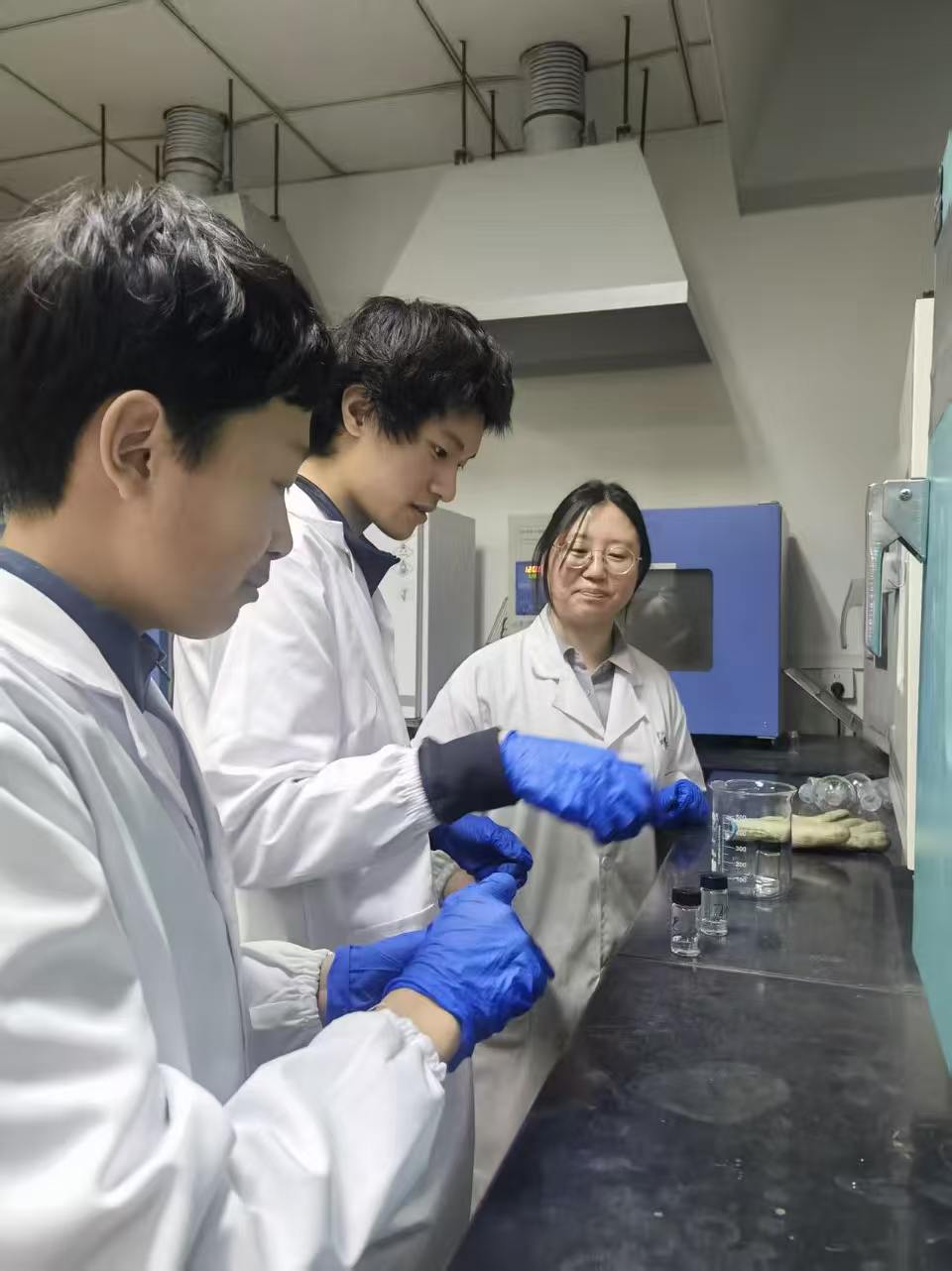
Daniel processing samples with lab partners under a fume hood
Lab work includes sample processing, variable control, and data checking. The SiC project uses SEM for morphology, but raw micrographs are not yet public.
See research writing & status →